
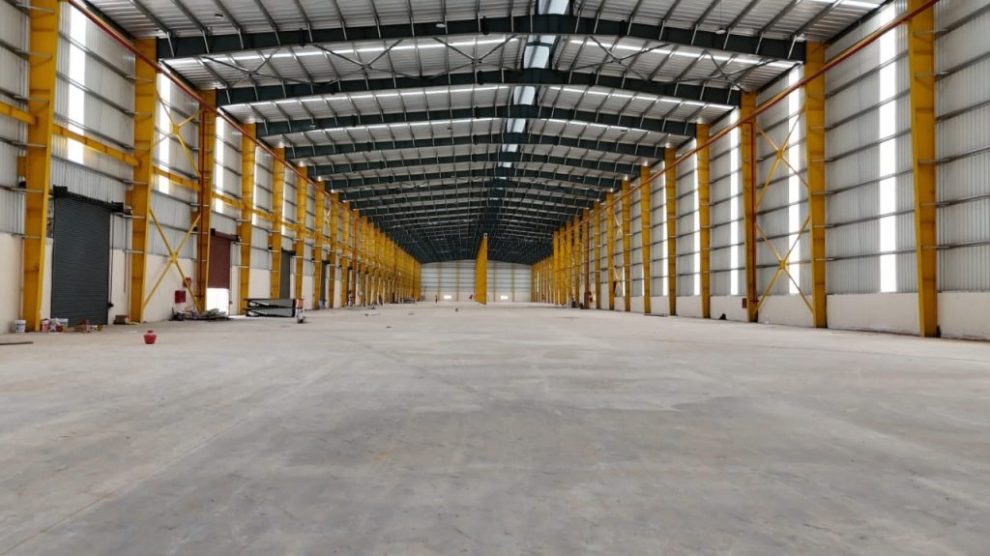
Choosing the right warehouse is a critical decision for any business that deals with storage, logistics, or distribution. A well-selected space can improve efficiency, reduce operational costs, and support business growth. However, many businesses rush into decisions without proper evaluation, which leads to long-term challenges. Understanding common mistakes can help you make a smarter and more strategic choice.
When searching for a warehouse for rent, it is important to look beyond just size and price. Many businesses make the mistake of focusing only on immediate affordability while ignoring long-term operational needs, accessibility, and infrastructure quality. A suitable warehouse for rent should support smooth movement of goods, provide reliable security, and allow flexibility for future expansion. Taking time to evaluate these factors can prevent costly disruptions later.
Not Defining Storage Requirements Clearly
One of the most common mistakes is not clearly defining storage needs before selecting a warehouse. Businesses often underestimate the type of space required for inventory, machinery, or packaging. This results in overcrowding or underutilization of space. Before finalizing any warehouse for rent, it is important to assess current storage volume and future demand to ensure the facility can handle growth comfortably.
Ignoring Location and Accessibility Factors
Even without focusing on specific regions, accessibility plays a major role in warehouse efficiency. Many businesses choose warehouses that are not well-connected to transport routes or supplier networks. This leads to delays in delivery and increased transportation costs. A well-positioned warehouse for rent should support easy movement of goods, smooth logistics operations, and quick access for staff and delivery vehicles.
Overlooking Safety and Security Features
Security is often underestimated when selecting a warehouse. Businesses may assume that basic protection is enough, but modern storage needs require advanced safety systems. Poor security can lead to theft, damage, or operational risks. When evaluating a warehouse for rent, check for features such as surveillance systems, fire safety equipment, controlled access, and proper lighting. A secure environment ensures peace of mind and protects valuable inventory.
Not Reviewing Lease Terms and Hidden Costs
Another major mistake is not carefully reviewing rental agreements. Many businesses focus only on monthly rent without understanding additional charges such as maintenance fees, utility costs, or penalty clauses. This can lead to unexpected financial pressure later. A transparent agreement for a warehouse for rent should clearly outline all costs, responsibilities, and renewal conditions. Reading the fine print helps avoid future disputes and financial surprises.
Poor Space Planning and Lack of Future Growth Consideration
Businesses often select a warehouse based only on current needs without considering future expansion. As operations grow, limited space can become a serious constraint. Efficient space planning ensures smooth workflow and better inventory management. When choosing a warehouse for rent, it is wise to think ahead and select a facility that allows room for scaling operations, additional storage racks, and increased workforce activity.
Skipping Infrastructure and Utility Evaluation
Infrastructure is another important factor that is frequently ignored. Some warehouses may lack proper ventilation, flooring strength, loading docks, or power supply systems. These shortcomings can affect daily operations and productivity. A reliable warehouse for rent should have strong infrastructure that supports heavy usage, smooth loading and unloading, and uninterrupted operations.
Conclusion
Selecting the right warehouse is more than just a rental decision—it is a long-term business investment. Avoiding common mistakes such as poor planning, ignoring infrastructure, or overlooking costs can significantly improve operational efficiency. A carefully chosen warehouse for rent ensures better storage management, improved logistics flow, and long-term business stability. By taking a strategic and informed approach, businesses can create a strong foundation for sustainable growth and operational success.