
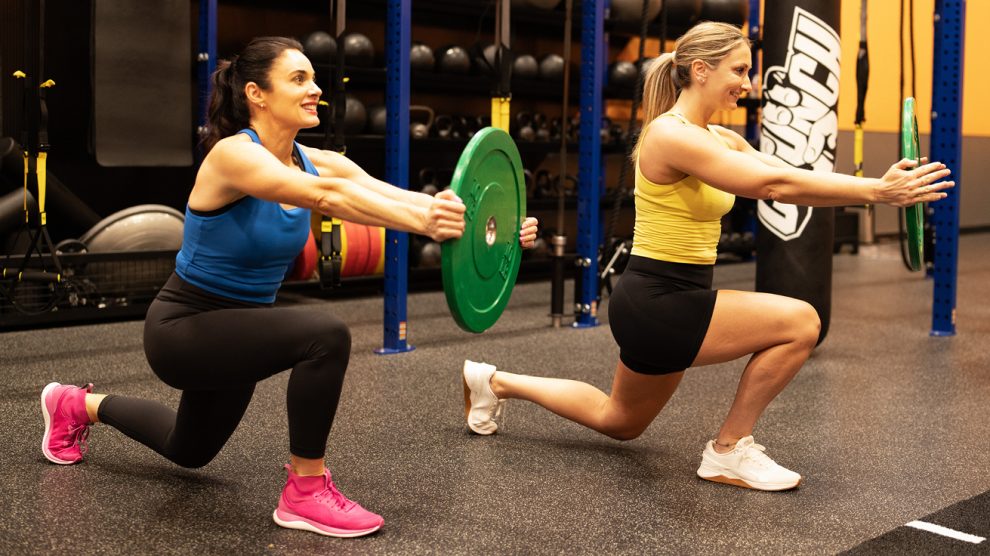
High performing teams often deal with pressure, deadlines, long meetings and constant decision-making. While productivity tools and management systems matter, physical health also plays a major role in how employees perform. Energy, stress control and resilience affect the way people work.
For companies exploring hiit classes singapore, HIIT can be a strong corporate wellness strategy when introduced thoughtfully. It provides active participation, structured challenge and stress relief within a time-efficient format. For busy teams, that combination can be valuable.
Active wellness creates engagement
Many corporate wellness programmes rely on talks, posters or emails. These may raise awareness, but they do not always create action. HIIT classes get employees moving.
A class provides an immediate wellness experience. Employees participate, challenge themselves and complete a session together.
This active format can feel more engaging than passive wellness education.
Time efficiency suits business schedules
HIIT is attractive for corporate teams because it can deliver a strong workout within a fixed time. Employees do not need hours away from work.
A lunchtime session, after-work class or wellness day activity can fit into the company calendar more easily than long activities.
Time efficiency makes participation more realistic.
Shared challenge builds team energy
HIIT classes create shared effort. Employees move through the same workout, follow the same coach and complete the same challenge. This can build team energy.
The goal should not be competition. It should be shared participation. Employees can work at their own level while still feeling part of a group experience.
This can strengthen morale and workplace connection.
Stress relief supports performance
Workplace stress can affect focus, mood and communication. HIIT provides a physical outlet for stress. The intensity helps employees shift attention from work pressure to movement and effort.
After class, participants may feel mentally refreshed. This can support productivity and emotional balance.
A fitness environment such as True Fitness Singapore can support teams looking for structured group training in a professional setting.
Inclusivity requires modifications
Corporate HIIT must be inclusive. Employees will have different fitness levels, injury histories and confidence levels. A good class should offer modifications and lower-impact options.
This helps beginners participate without fear. It also prevents the session from feeling like a test.
Wellness should support employees, not intimidate them.
Leadership support improves participation
Employees are more likely to join wellness activities when leaders support them. If managers respect wellness time, participation improves.
Leadership may also join the class to show support. This helps normalise health as part of sustainable performance.
Corporate wellness works best when culture supports action.
FAQ
Is HIIT too intense for a workplace wellness programme?
It can be intense, but it can also be modified. Choose a class that offers options for different fitness levels and make participation voluntary.
How can we prevent employees from feeling embarrassed?
Present the class as a wellness activity, not a competition. Encourage modifications and avoid ranking participants.
Should HIIT be done during work hours?
It depends on the team. Lunchtime, after work or wellness event sessions can all work. Choose timing based on employee feedback.
Can HIIT improve team morale?
Yes. Shared physical effort can build positive energy and connection, especially when the environment is supportive.
Conclusion
HIIT classes can work as a corporate wellness strategy because they are active, efficient and energising. They give employees a structured way to move, release stress and connect as a team.
For Singapore companies, HIIT can make wellness more practical and engaging. When introduced inclusively, it supports both health and workplace performance.