
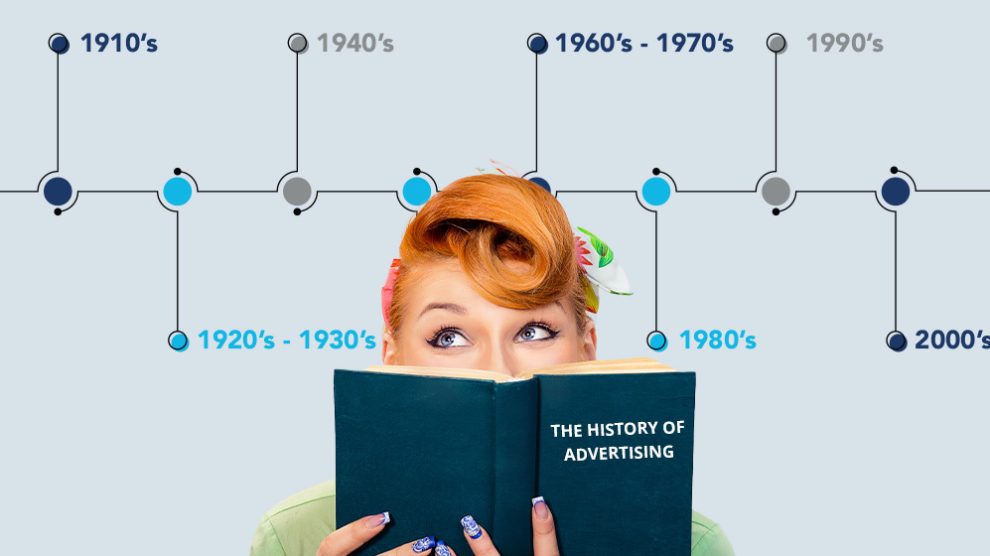
Advertising is no longer limited to billboards, TV spots, or simple online banners. In today’s hyper-connected world, advertising has become a dynamic, data-driven, and highly strategic tool that influences consumer behavior, drives brand loyalty, and delivers measurable ROI. Brands now leverage advanced analytics, behavioral targeting, AI, and immersive technologies to craft campaigns that resonate with audiences on a deeply personal level.
This article explores advanced advertising strategies, innovative trends, and the technologies reshaping the industry, providing insights for marketers, strategists, and business leaders seeking to gain a competitive advantage.
The Strategic Role of Advertising in Modern Business
Advertising today is integral to business growth and brand positioning, far beyond simple promotion. Its strategic roles include:
-
Driving brand differentiation: Sophisticated advertising helps brands stand out in saturated markets by creating unique narratives.
-
Influencing purchasing decisions: Advanced targeting strategies ensure the right message reaches the right consumer at the right time.
-
Supporting omnichannel engagement: Coordinated campaigns across multiple channels reinforce brand messaging.
-
Data-driven decision-making: Advertising analytics provide actionable insights into consumer behavior, preferences, and trends.
Integrating advertising into long-term business strategy ensures campaigns contribute to sustained growth rather than transient spikes in attention.
Advanced Targeting and Personalization Techniques
Personalization has become a cornerstone of effective advertising. Modern marketers leverage data and technology to deliver hyper-relevant messaging.
Key techniques include:
-
Behavioral targeting: Analyzing past behavior and engagement patterns to deliver tailored ads.
-
Contextual advertising: Placing ads in environments aligned with the content and user intent.
-
Dynamic creative optimization (DCO): Automatically customizing ad creative based on audience data and real-time conditions.
-
Predictive analytics: Using AI algorithms to forecast consumer behavior and optimize campaign delivery.
By employing these techniques, advertisers can increase engagement, conversion rates, and customer satisfaction while minimizing wasted spend.
Programmatic Advertising and Automation
Programmatic advertising has revolutionized how ads are bought, optimized, and delivered. Through automation and real-time bidding, brands can maximize efficiency and precision.
Key benefits and approaches include:
-
Real-time bidding (RTB): Automated auctions enable advertisers to bid for ad space in milliseconds, targeting specific users efficiently.
-
Audience segmentation: Machine learning algorithms identify high-value audience segments to improve targeting accuracy.
-
Cross-platform reach: Programmatic solutions enable ads to appear seamlessly across devices and platforms.
-
Automated performance optimization: AI continuously adjusts bids, creatives, and targeting parameters to maximize ROI.
Programmatic advertising reduces manual effort, increases scale, and delivers measurable results in real-time.
Native and Content-Driven Advertising
Consumers increasingly avoid intrusive ads, prompting a shift toward native advertising that blends naturally with content.
Key strategies include:
-
Sponsored content: Collaborating with publishers to produce valuable, brand-aligned content.
-
In-feed social ads: Ads that appear naturally within social media feeds to maintain engagement without disruption.
-
Branded storytelling: Creating narratives that resonate emotionally while subtly promoting products or services.
-
Interactive content: Quizzes, polls, and immersive formats that encourage participation and retention.
Native and content-driven advertising enhances credibility, improves engagement, and builds long-term brand trust.
Influencer and Experiential Marketing
Influencer and experiential marketing have become powerful tools for connecting with niche audiences in authentic ways.
Key approaches include:
-
Micro-influencers: Leveraging influencers with smaller, highly engaged followings for targeted campaigns.
-
Experiential campaigns: Creating immersive brand experiences that generate social buzz and word-of-mouth promotion.
-
User-generated content (UGC): Encouraging consumers to create content around a brand, enhancing authenticity and reach.
-
Cross-channel amplification: Integrating influencer efforts across social media, digital platforms, and offline activations.
These strategies humanize brands, foster community, and drive authentic engagement that traditional advertising often cannot achieve.
Analytics, Attribution, and ROI Measurement
Measuring the effectiveness of advertising is critical for strategic optimization. Advanced analytics tools now provide granular insights into campaign performance.
Key practices include:
-
Multi-touch attribution: Understanding the contribution of every touchpoint in the customer journey.
-
Real-time reporting: Accessing live campaign data to make immediate adjustments.
-
Predictive modeling: Using historical data to forecast future performance and budget allocation.
-
Customer lifetime value (CLV) analysis: Linking advertising efforts to long-term revenue contribution rather than short-term conversions.
These practices enable marketers to make informed decisions, allocate budgets wisely, and demonstrate tangible ROI to stakeholders.
Emerging Technologies Transforming Advertising
Advertising is being transformed by cutting-edge technologies that enhance creativity, targeting, and performance.
Some of the most impactful innovations include:
-
Artificial intelligence (AI): Automates campaign optimization, audience segmentation, and creative testing.
-
Augmented reality (AR) and virtual reality (VR): Enables immersive experiences and interactive campaigns.
-
Voice and conversational advertising: Targeting users through smart assistants and voice-enabled devices.
-
Blockchain technology: Enhances transparency, fraud prevention, and secure transactions in digital advertising.
-
5G-enabled advertising: Facilitates high-quality video, immersive content, and low-latency experiences.
Early adoption of these technologies positions brands as innovators and enhances audience engagement in competitive markets.
Ethical and Regulatory Considerations
With advanced targeting comes responsibility. Modern advertising strategies must address ethical concerns and comply with regulations.
Key considerations include:
-
Data privacy: Respecting consumer data, adhering to GDPR, CCPA, and other privacy laws.
-
Transparency: Clearly disclosing sponsored content and influencer partnerships.
-
Avoiding manipulation: Ethical targeting practices that respect user autonomy and choice.
-
Inclusivity and diversity: Ensuring campaigns reflect diverse perspectives and do not perpetuate bias.
Ethical advertising protects brand reputation and fosters trust with increasingly conscious consumers.
FAQs
1. How can programmatic advertising improve campaign efficiency?
Programmatic advertising automates ad buying and optimization, reducing manual effort while maximizing reach and precision.
2. What are the benefits of native advertising over traditional ads?
Native ads blend with content, enhancing engagement, credibility, and user experience without being intrusive.
3. How is AI changing advertising strategies?
AI enables predictive analytics, automated optimization, audience segmentation, and creative testing in real-time.
4. Why is influencer marketing effective in modern campaigns?
Influencer marketing leverages trust and authenticity to engage niche audiences and drive word-of-mouth promotion.
5. How do advertisers measure ROI in complex campaigns?
Through multi-touch attribution, real-time reporting, CLV analysis, and predictive modeling.
6. What emerging technologies will shape the future of advertising?
AI, AR/VR, voice and conversational ads, blockchain, and 5G-enabled experiences are key trends.
7. How should brands address ethical concerns in advertising?
By prioritizing data privacy, transparency, inclusivity, and ethical targeting practices to maintain trust and compliance.